
In 2026, Vietnam’s metals, mining and cement (MMM) industries are benefiting from opportunities driven by infrastructure investment while facing significant pressure from rising costs, production efficiency requirements, and emissions reduction. In the cement sector specifically, the Ministry of Construction reported that in the first half of 2026, domestic market recovery remained slow, oversupply persisted, while exports were affected by geopolitical volatility and rising logistics costs. At the same time, under Decision No. 263/QD-TTg dated 9 February 2026, pilot greenhouse gas emission quotas for the 2025–2026 period were allocated to 25 iron and steel production facilities and 51 cement production facilities, indicating that emissions control requirements are becoming increasingly concrete for heavy industries. In this context, the need to strengthen production control, leverage operational data, optimise energy consumption, and improve resource efficiency is becoming increasingly critical for MMM companies.
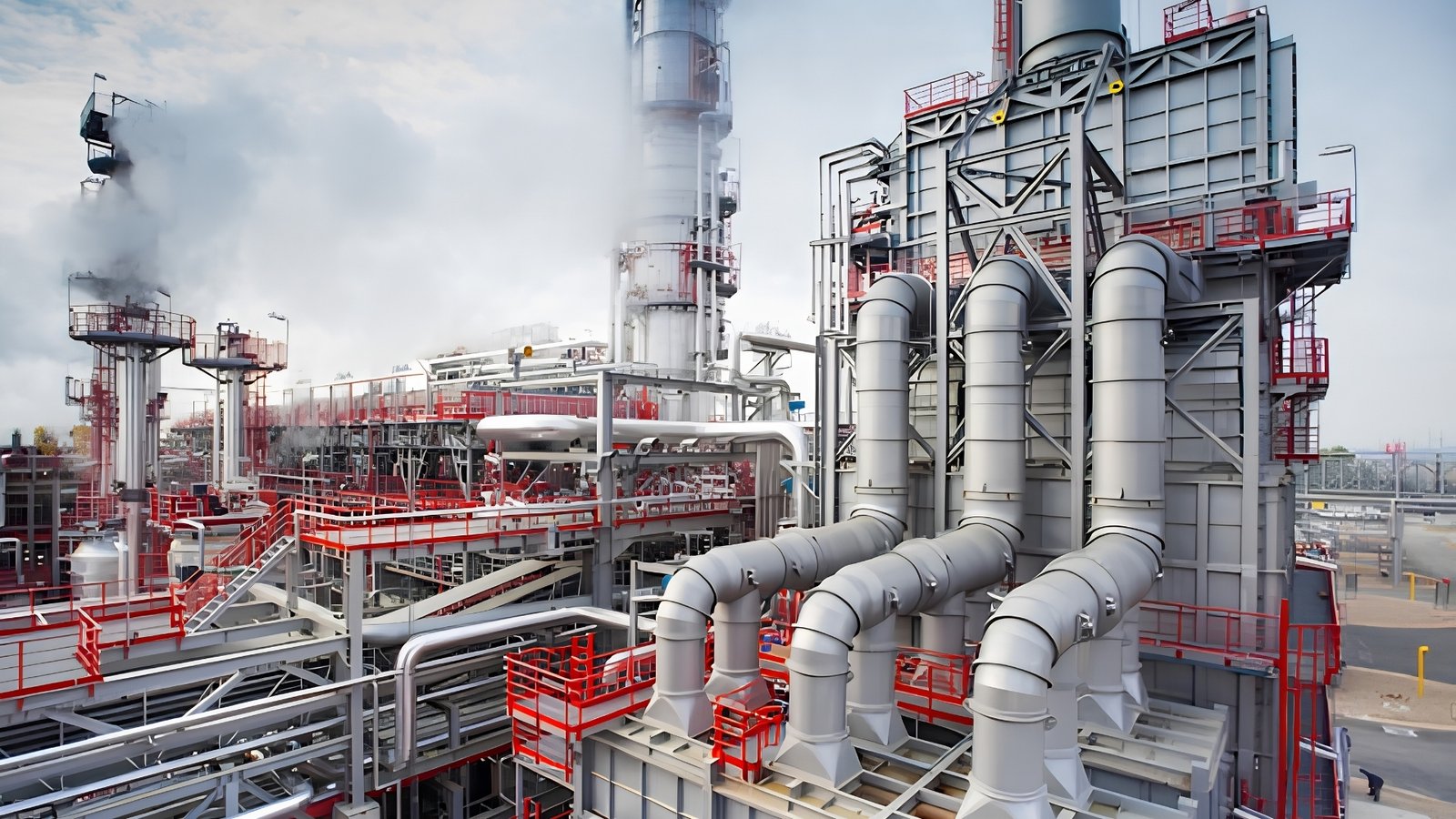
Challenges Faced by Manufacturing Plants
- Obsolete Automation Systems: Legacy control platforms with discontinued components increase maintenance costs, make spare parts difficult to source, and raise the risk of unplanned downtime.
- Complex System Modernization: Undocumented program changes, combined with harsh operating environments involving dust, vibration, and high temperatures, make system upgrades more complex and higher-risk.
- Limited Energy and Operational Efficiency: Fragmented production and energy data reduce overall visibility, while upgrade projects must often be completed within very short maintenance shutdown windows.
Tan Tien’s Solutions
1. Control System Migration: Upgrade obsolete automation platforms to modern Siemens control systems while minimising production downtime.
- Applications
- Siemens PCS 7
- Siemens SIMATIC S7-400
- Siemens SIMATIC S7-1500
- Siemens CEMAT V9.0
- Scope
- Backup of existing PLC and DCS programs
- Software migration and system reconfiguration
- Migration from SIMATIC S5 to PCS 7 and S7 platforms
- CEMAT upgrades
- I/O system upgrades from ET200S and ET200L to ET200SP
- Factory Acceptance Testing (FAT) before on-site implementation
2. Engineering Documentation and System Documentation: Survey, develop, and update comprehensive technical documentation to support operation, maintenance, and future expansion projects.
- Deliverables
- System surveys
- Engineering design
- Process description documentation
- Detailed design drawings
- As-built documentation
3. Industrial Communication Network Modernization: Diagnose and optimize industrial communication networks to improve system reliability and monitoring capability.
- Applications
- PROFINET network diagnostics
- Network troubleshooting
- Communication performance optimisation
- ET200SP diagnostic integration
- Network monitoring through the DCS
4. Electrical Distribution Systems: Design and implementation of electrical distribution systems for industrial plants.
- Scope includes:
- Medium-voltage switchgear up to 24 kV
- Low-voltage switchgear up to 5,000 A
- Power factor correction capacitor banks
- Industrial battery chargers
- Nickel-Cadmium battery systems
- UPS systems
- Busbar systems
- Power distribution panels
Implementation Benefits
- Consistent batch quality regardless of individual operators or production shifts
- Reduced dosing errors for high-value ingredients, helping lower material costs and reduce the number of batches requiring rework
- Packaging defects are detected and rejected directly on the production line before products reach consumers
- Shorter changeover times between SKUs and increased utilisation of existing production assets
- Electronic records for each production batch to support internal and corporate audits
- System upgrades carried out with minimal impact on ongoing production
In the personal care industry, Tan Tien works alongside leading global consumer goods companies such as Unilever and Procter & Gamble, delivering projects at large-scale manufacturing facilities in Cu Chi and Binh Duong. This segment involves a large number of SKUs and places high demands on formulation consistency, as multiple products share the same mixing, dosing, and material transfer systems. In particular, many ingredients are used in small quantities but are high in value and have a direct impact on final product quality.
In addition, products that come into direct contact with consumers require strict control of packaging quality and traceability throughout the production process. Tan Tien serves as an electrical and automation partner, supporting customers from the implementation of new production lines to upgrades of mixing, material transfer, and packaging inspection systems. This helps customers standardise recipe-based production processes, improve dosing and mixing accuracy, and strengthen control and data traceability across the entire production process.