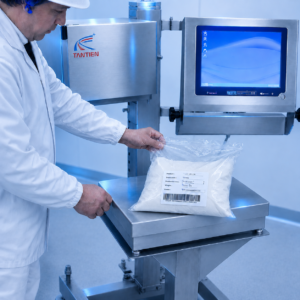
Batch MES
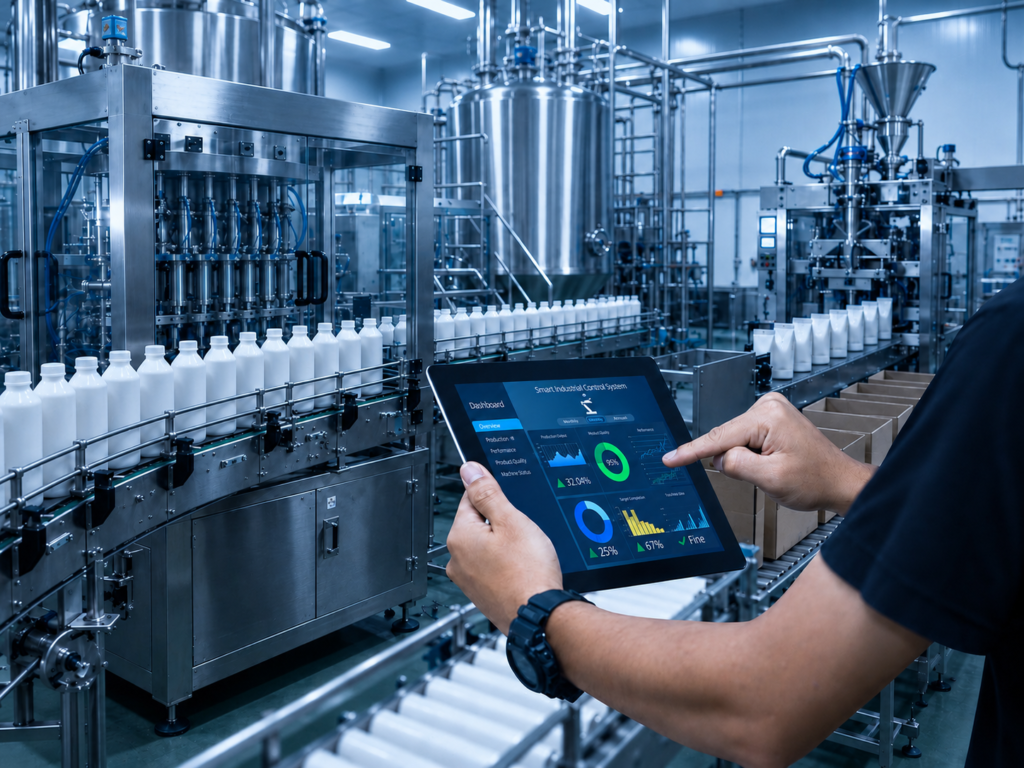
Managing Multiple Recipes on the Same Production Line Remains Complex
When a single production line is required to manufacture multiple recipes or product variants, the amount of information that must be controlled for each batch also increases. If recipes, process parameters, and execution steps still rely heavily on separate files, paper documents, or manual operator actions, manufacturers may face the following challenges:
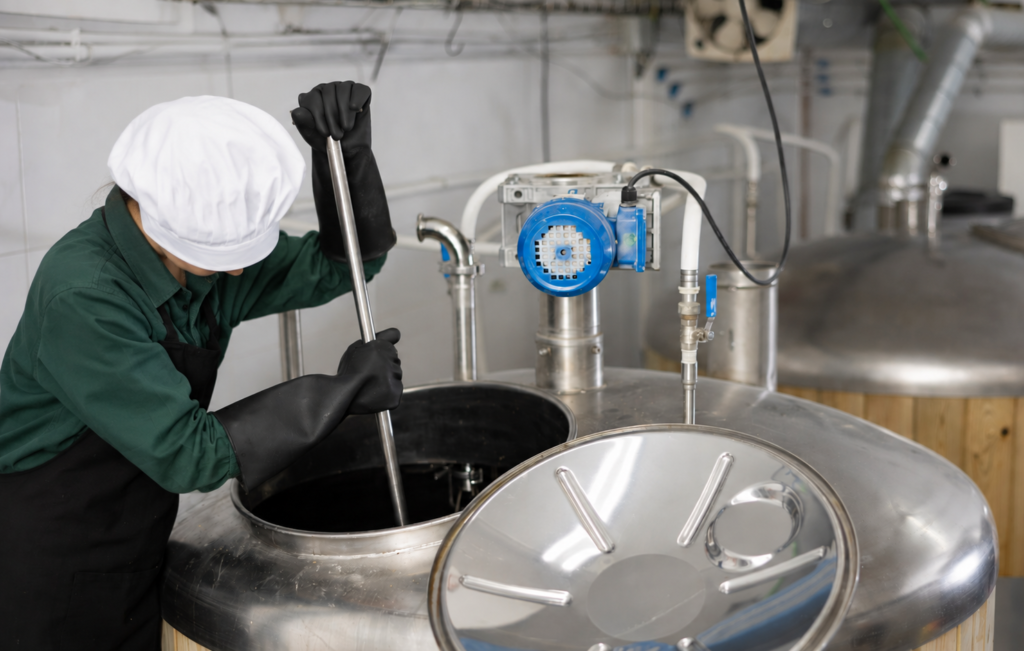
- Selecting the wrong recipe: Recipes may be stored in Excel files, paper documents, or multiple locations, making it easier for operators to select an outdated version or incorrect process parameters.
- Too many manual steps when switching products: Each time the recipe changes, operators may need to re-enter parameters, check equipment, and complete multiple manual steps before starting a new batch.
- Higher risk of errors during batch execution: Incorrect material selection, parameter settings, or process sequencing can cause the actual batch to deviate from the required recipe.
- Limited visibility into production progress: Batch status information is often available mainly at the operating area, making it difficult for management to know which batches are being prepared, are in production, have been completed, or are experiencing delays.
- Difficult root-cause analysis when issues occur: When product quality does not meet requirements, identifying the materials, process parameters, and events associated with the batch may require significant time for data review and investigation.
Solutions
Batch MES software manages recipes and batch production processes by integrating MES data with the Batch system, enabling synchronized and controlled production execution. The software connects production orders, approved recipes, materials, process sequences, and actual production data so that each batch is executed through a controlled workflow.
Instead of requiring operators to remember “which recipe should be used for this product, what parameters are required, and what the next step is,” the Batch system provides a structured workflow that guides or automatically executes the required steps while recording the complete history of each batch.
- Centralized Recipe Management and Version Control: Manage recipes, approval workflows, and change histories on a centralized platform to ensure that every production order uses the correct approved Recipe version.
- Standardized Batch Execution: Automatically guide and control operating steps according to standardized procedures, helping reduce manual errors and maintain consistency across batches.
- Real-Time Batch Data Recording: Automatically collect machine data, operating time, materials used, and production events to support traceability, audits, and quality management.
- Production Data Integration and Synchronization: Connect data from control-layer systems such as PLC and SCADA with enterprise systems such as ERP, reducing manual data entry and creating a unified manufacturing data foundation.
Benefits
Batch MES software enables manufacturers to utilize existing production lines more flexibly when producing multiple recipes or SKUs, provided they are compatible with the line’s process design.
TIME
Shorten configuration and production setup time for new products on existing production lines.
PROCESS
Ensure the correct recipe and approved version are used for every production batch.
TRACEABILITY
Maintain complete visibility into production data, batch status, and manufacturing history.
FLEXIBILITY
Easily expand the product portfolio and respond more quickly to changing production requirements.
Consulting & Implementing Automation Solutions
Contact Tan Tien for tailored solutions that best fit your business.